
Choosing the right tiles for your bathroom is one of the most important decisions in any renovation project. Tiles affect the overall appearance of the room, influence maintenance requirements, and play a major role in durability over time. In our experience, two of the most popular choices are porcelain and natural stone – both offering very different benefits depending on the style, budget, and practical needs of the space.
We regularly help homeowners compare these materials during the early stages of a bathroom design project. Some clients are drawn to the timeless character of natural stone, while others prefer the practicality and versatility of porcelain. There’s no universal right answer, as the best option depends on how the bathroom is used, the look you want to achieve, and how much maintenance you’re comfortable with long term.
In this guide, we’ll compare porcelain and natural stone tiles across several key areas, helping you decide which material is the better fit for your bathroom.
Understanding the Difference Between Porcelain and Natural Stone
Porcelain tiles are man-made ceramic tiles fired at extremely high temperatures, making them dense, durable and highly water resistant. They’re available in an enormous variety of colours, textures and finishes, including realistic stone and wood effects. Modern manufacturing techniques mean porcelain can closely replicate the appearance of premium materials while remaining easier to maintain.
Natural stone tiles, on the other hand, are cut directly from quarried materials such as marble, slate, limestone, travertine or granite. Every tile has unique veining, colour variation and texture, giving the bathroom a more organic and distinctive appearance. We’ve used both materials extensively in our projects, and each creates a very different atmosphere within the space.
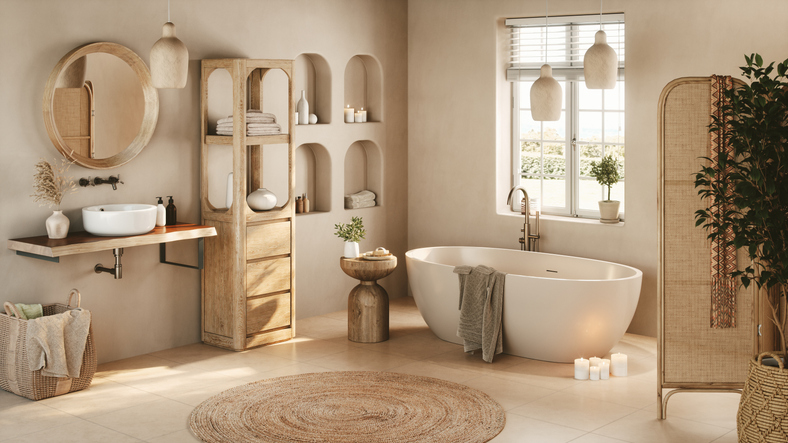
Porcelain Tiles: Pros and Cons
Advantages of Porcelain Tiles
One of the biggest benefits of porcelain is durability. Because it’s extremely dense and less porous than many other materials, porcelain is highly resistant to moisture, stains and scratches. This makes it ideal for busy family bathrooms, en-suites and wet rooms where water exposure is constant.
Porcelain is also very low maintenance. Unlike natural stone, it doesn’t require sealing and is generally easy to clean with standard products. We often recommend porcelain for clients who want a stylish bathroom without the upkeep associated with more delicate materials.
Another major advantage is design flexibility. Porcelain tiles are available in countless finishes, including marble-effect, concrete-look and timber-inspired styles. We regularly use large-format porcelain tiles in modern bathroom installation projects because they create a seamless, spacious appearance with fewer grout lines.
Drawbacks of Porcelain Tiles
Although porcelain is highly practical, some people feel it lacks the natural warmth and character of genuine stone. Even high-end porcelain replicas may not fully reproduce the subtle texture and variation found in quarried materials.
Porcelain can also feel colder underfoot unless paired with underfloor heating. While this applies to many tiled surfaces, it’s something worth considering if comfort is a priority in your bathroom design.
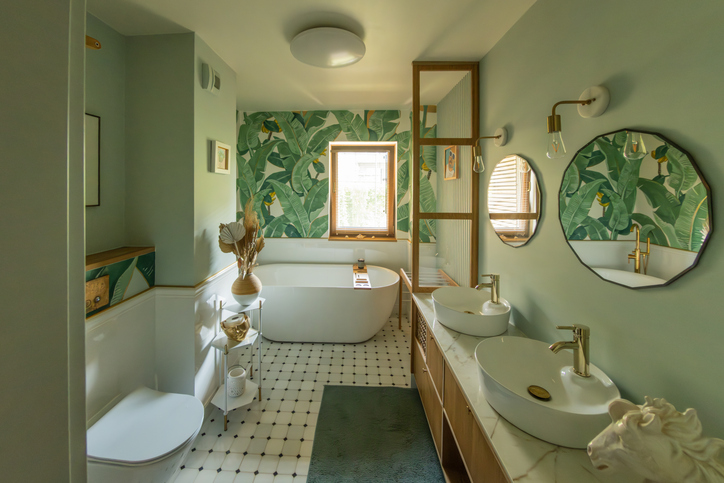
Natural Stone Tiles: Pros and Cons
Advantages of Natural Stone Tiles
Natural stone offers a timeless appearance that’s difficult to replicate completely. Every tile is unique, which creates a rich and authentic finish full of texture and depth. Materials like marble and limestone bring a sense of luxury and craftsmanship that many homeowners love.
We’ve designed bathrooms using slate, travertine and marble where the stone became the focal point of the entire room. In our experience, natural stone works especially well in spa-inspired interiors and period properties where clients want a more organic, traditional feel.
Stone tiles can also age beautifully when maintained properly. Some materials develop character over time, adding to their appeal rather than detracting from it.
Drawbacks of Natural Stone Tiles
The biggest downside of natural stone is maintenance. Most stone tiles are porous and require sealing to protect against moisture, staining and limescale. Bathrooms naturally experience high humidity and frequent water exposure, so regular care is essential to keep the tiles looking their best.
Stone is generally more expensive than porcelain too, both in terms of material cost and installation. Certain stones are heavier and more difficult to fit, which can increase labour time during a renovation project.
Some natural stones are softer than porcelain and may be more prone to scratching or etching from cleaning products. We always advise clients to use specialist stone-safe cleaners to avoid damaging the surface.
Which Option Is Better for Wet Rooms?
For wet rooms and walk-in showers, porcelain is often the more practical choice. Its low porosity and excellent slip-resistant options make it highly suitable for constantly wet environments. We frequently install textured porcelain flooring in wet rooms because it provides durability and safety without compromising appearance.
Natural stone can still work beautifully in wet rooms, but it requires more maintenance and careful sealing. Stones like slate tend to perform better in these settings due to their textured surface and natural grip, while polished marble may become slippery when wet.
Style Considerations
The visual effect you want to achieve should play a major role in your decision. Porcelain suits contemporary, minimalist and modern bathrooms particularly well. It’s ideal for achieving clean lines, uniform finishes and large uninterrupted surfaces.
Natural stone, meanwhile, introduces more variation and texture into the room. It complements rustic, traditional and spa-inspired interiors where warmth and authenticity are priorities. We often help clients combine both materials – for example, porcelain flooring with a natural stone feature wall – to balance practicality with visual character.
Budget and Long-Term Value
Budget naturally influences most bathroom projects. Porcelain is generally more affordable upfront and cheaper to maintain over time. For many homeowners, this makes it the more cost-effective long-term option, especially in busy households.
Natural stone is usually seen as a premium material, and for good reason. While the initial investment is higher, many clients feel the distinctive appearance and tactile quality justify the cost. In high-end bathroom designs, stone can add a sense of quality and permanence that’s difficult to achieve with synthetic alternatives.
Professional Advice Helps You Make the Right Choice
When selecting tiles, it’s important to consider more than just appearance. Practical factors like water exposure, maintenance expectations, slip resistance and underfloor heating compatibility all need to be taken into account. We always guide clients through samples, finishes and layout options to ensure the final result works both visually and practically.
Whether you’re drawn to the easy upkeep of porcelain or the natural beauty of stone, choosing the right tile can completely shape the feel of your bathroom. Our team provides expert bathroom design and installation services tailored to your home, helping you create a bathroom that suits your style, budget and everyday needs.